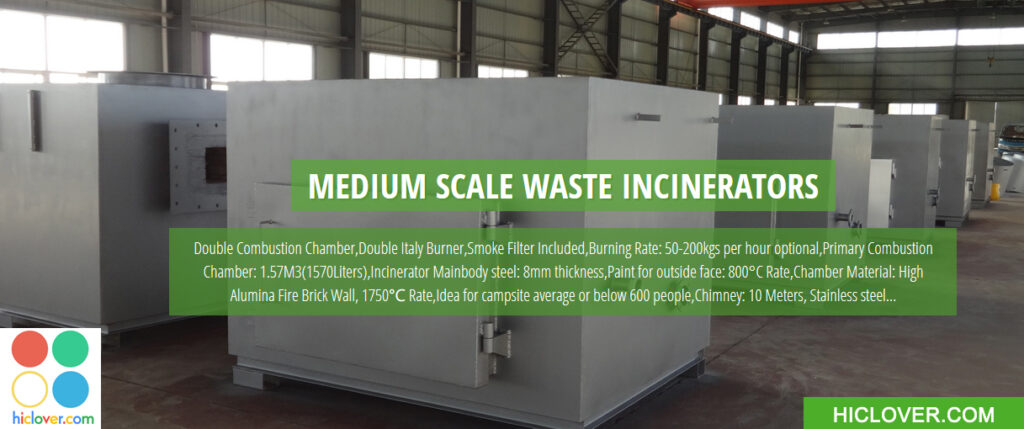
Incineration is a widely-used method for disposing of waste, especially in urban areas where landfills are limited. While it provides a practical solution for managing the vast amount of waste generated by society, concerns about its impact on air quality and potential health risks have been raised.
One of the primary concerns about incineration is the release of pollutants into the air. When waste is burned, it can release harmful substances such as dioxins, furans, mercury, lead, and other toxic chemicals. These pollutants can have serious health implications, including respiratory issues, cardiovascular problems, and even cancer. This is especially concerning for communities living near incineration facilities, who may be exposed to higher levels of pollution.
To address these concerns, strict regulations and emission control measures have been put in place to minimize the impact of incineration on air quality. Modern incineration plants are equipped with advanced technologies, such as scrubbers, filters, and electrostatic precipitators, designed to remove harmful particles and pollutants from the exhaust gases. These measures help to reduce the emission of toxic substances and ensure that the air quality in the surrounding area remains safe for residents.
Additionally, the management of waste prior to incineration is crucial in minimizing the release of pollutants. Proper segregation and treatment of waste materials can help reduce the amount of toxic substances in the waste stream, ultimately reducing the environmental and health impact of incineration.
Another concern related to incineration is the potential for the release of greenhouse gases, such as carbon dioxide and methane, which contribute to climate change. While incineration does release carbon dioxide, the amount produced is significantly lower than that emitted from landfilling waste. In fact, incineration can be seen as a more sustainable method of waste disposal when coupled with energy recovery. Many modern incineration plants are designed to capture the heat generated from burning waste and convert it into electricity or heat, reducing the reliance on fossil fuels and contributing to the reduction of greenhouse gas emissions.
While it is important to acknowledge these concerns, it is also important to recognize the benefits of incineration when it comes to the management of waste. Incineration helps to reduce the volume of waste that ends up in landfills, minimizing the environmental impact of waste disposal and conserving limited landfill space. It also provides an opportunity to generate energy from waste, contributing to the transition towards a more sustainable and circular economy.
Ultimately, addressing concerns about air quality and health risks from incineration requires a comprehensive approach that involves stringent regulations, advanced emission control technologies, and responsible waste management practices. By implementing these measures, we can ensure that incineration remains a safe and sustainable method for managing waste, while minimizing its impact on the environment and public health.