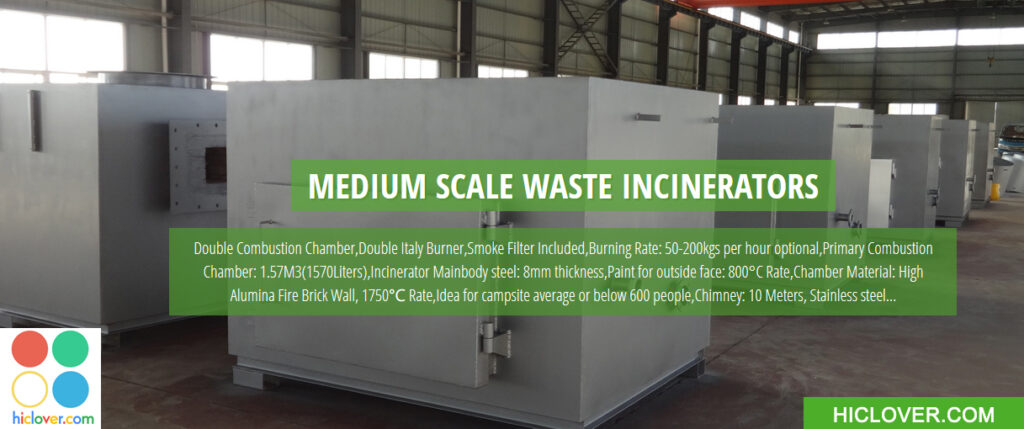
In our modern world, waste management is a critical issue that affects our environment and our communities. With landfills reaching maximum capacity and incineration being a controversial method of waste disposal, it’s clear that we need more sustainable solutions. However, there’s a new wave of incinerator eco-friendly designs that are leading the way in waste management and are breaking the mold of traditional incineration.
One of the biggest criticisms of incinerators is their negative impact on the environment, such as air pollution and greenhouse gas emissions. However, with advanced technology and innovative designs, modern incinerators are now able to mitigate these issues. New incinerator designs are equipped with state-of-the-art air pollution control systems, such as scrubbers and filters, that drastically reduce harmful emissions. This means that incineration is no longer the environmental villain it once was, but rather a viable and sustainable solution for waste management.
Not only are these incinerator eco-friendly designs reducing their environmental impact, but they are also harnessing the energy produced from burning waste to generate electricity and heat. This is a major step forward in the world of waste management, as it’s turning what was once seen as a problem into a valuable resource. By converting waste into energy, incinerators are contributing to a more circular and sustainable economy.
Furthermore, these new incinerator designs are also addressing the issue of waste reduction. With the ability to burn waste at extremely high temperatures, incinerators are able to reduce the volume of waste significantly, leaving behind only a small amount of ash. This means that less waste is being sent to landfills, which is a win-win for the environment and our communities.
In addition to their environmental benefits, these modern incinerator designs are also enhancing the safety and efficiency of waste management. With advanced technology and automated systems, incinerators are able to operate at optimal levels, reducing the risk of accidents and human error. This ensures that waste is being managed in the most effective and safe manner possible.
Overall, these incinerator eco-friendly designs are disrupting the waste management industry and leading the way in creating a more sustainable future. By reducing harmful emissions, generating clean energy, and minimizing waste volume, modern incinerators are proving to be a critical tool in the fight against environmental degradation. It’s clear that incineration no longer needs to be seen as a dirty word, but rather a vital component of a more sustainable and efficient waste management system. With continued innovation and advancements in technology, incinerators will continue to break the mold and pave the way for a cleaner and greener future.