Efficiency in Action: How a 1 Cubic Meter Incinerator Can Burn 600kg of Waste
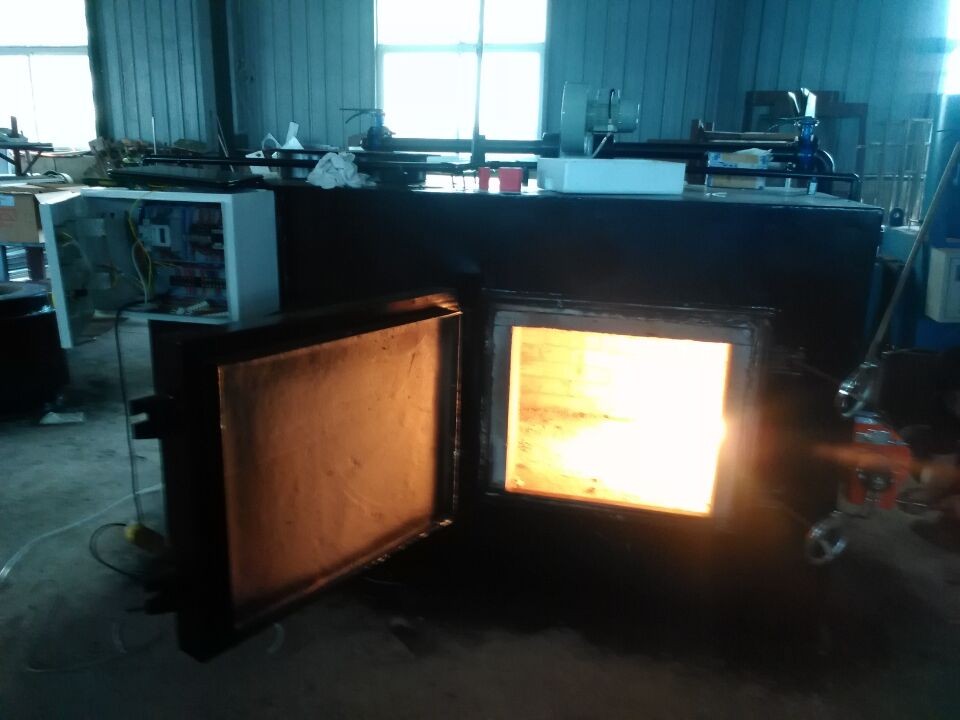
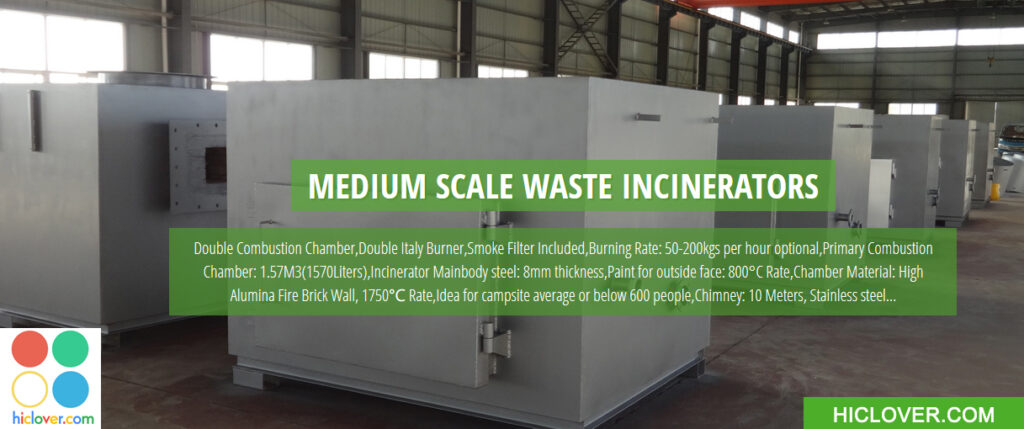
Incinerators are a crucial part of waste management systems, especially in urban areas where the volume of waste generated is high. In the past, incinerators were notorious for their inefficiency and harmful emissions. However, advancements in technology have led to the development of highly efficient, environmentally friendly incinerators that can handle large volumes of waste without causing harm to the environment. One such example is the 1 cubic meter incinerator that can burn 600kg of waste in a single cycle.
The key to the efficiency of these modern incinerators lies in their design and technology. They are equipped with advanced combustion systems that ensure complete and clean burning of the waste. This means that there is minimal emission of harmful pollutants such as dioxins and furans, which are known to be harmful to human health and the environment.
The size of the incinerator is also a factor in its efficiency. Despite its compact size, the 1 cubic meter incinerator is designed to maximize the burning capacity without compromising on safety and environmental standards. This makes it ideal for use in small or crowded spaces where larger incinerators may not be practical.
Another factor contributing to the efficiency of these incinerators is their ability to generate energy from the waste. The heat produced during the incineration process can be harnessed to generate electricity, which can then be used to power the incinerator itself, as well as other equipment in the facility. This not only reduces the reliance on external sources of energy but also makes the incineration process more sustainable.
In addition to its burning capacity and energy generation capabilities, the 1 cubic meter incinerator also boasts a high level of automation. This means that the entire process, from loading the waste to monitoring the combustion and emission levels, can be controlled and managed through a computerized system. This not only ensures an efficient and consistent performance but also reduces the need for manpower, making it a cost-effective solution for waste management.
Furthermore, the ash produced from the incineration process is reduced to a small volume, making it easier to handle and dispose of. In some cases, the ash can even be recycled for use in construction materials, further reducing the environmental impact of the incineration process.
The 1 cubic meter incinerator is a prime example of how efficiency can be achieved in waste management. Its ability to handle large volumes of waste in a small space, while minimizing emissions and generating energy, makes it a valuable asset for any waste management facility. As the world grapples with the challenge of managing ever-increasing amounts of waste, technologies like these offer a practical and sustainable solution for the future.