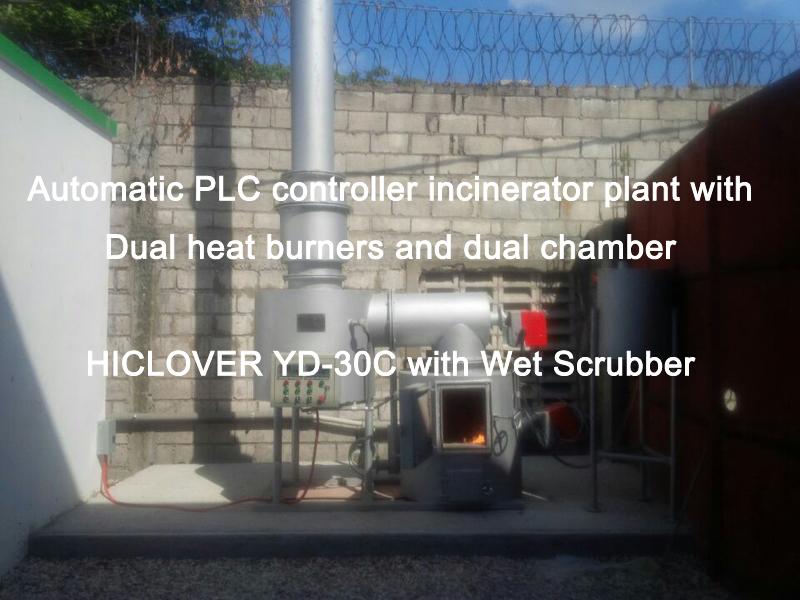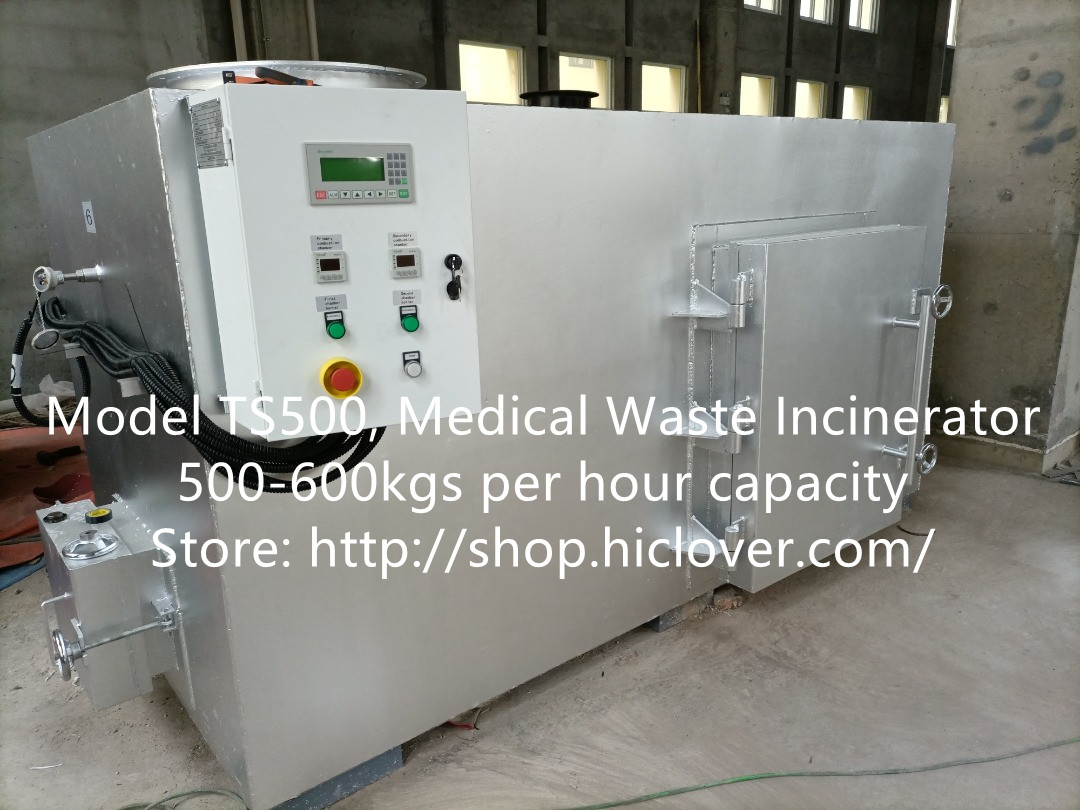
Incineration is a widely used method for waste management and energy generation. It involves the combustion of waste materials at high temperatures to convert them into ash, flue gas, and heat. While incineration can be an effective way to reduce the volume of waste and generate energy, there are several environmental and operational factors that can affect the efficiency and sustainability of the process.
Environmental factors play a crucial role in determining the impact of incineration on the surrounding environment. One of the key environmental factors affecting incineration processes is air emissions. During the combustion of waste, pollutants such as nitrogen oxides, sulfur dioxide, and particulate matter are released into the atmosphere. These emissions can have adverse effects on air quality and human health, making it essential to implement strict emission control measures to minimize the impact of incineration on the environment.
Another important environmental factor is the potential release of toxic substances from the waste materials being incinerated. Certain types of waste, such as medical or hazardous waste, can contain toxic chemicals and heavy metals that can be released into the air and ash during incineration. Proper waste segregation and treatment are essential to ensure that hazardous materials are not incinerated with other waste streams, minimizing the risk of releasing harmful substances into the environment.
Operational factors also play a significant role in the efficiency and effectiveness of incineration processes. The type and composition of waste being incinerated can have a major impact on the operational performance of incineration facilities. Waste with high moisture content or a high level of contaminants can affect the combustion process, leading to reduced energy recovery and increased emissions.
Another operational factor that can affect incineration processes is the design and maintenance of the incineration facility. Proper equipment maintenance, regular cleaning of combustion chambers, and efficient heat recovery systems are essential to ensure smooth and efficient operation. Inadequate maintenance can lead to decreased combustion efficiency, increased emissions, and potential safety hazards.
Furthermore, the availability of suitable waste streams for incineration can also affect operational performance. Waste management practices, recycling efforts, and waste reduction initiatives can influence the type and quantity of waste available for incineration. Lack of proper waste streams can result in underutilization of incineration facilities and reduced energy generation.
In conclusion, exploring the environmental and operational factors affecting incineration processes is essential for ensuring the sustainability and effectiveness of waste management and energy generation. By addressing these factors through the implementation of emission control measures, proper waste management practices, and efficient facility operations, incineration can be a viable and desirable solution for managing waste while minimizing its impact on the environment.