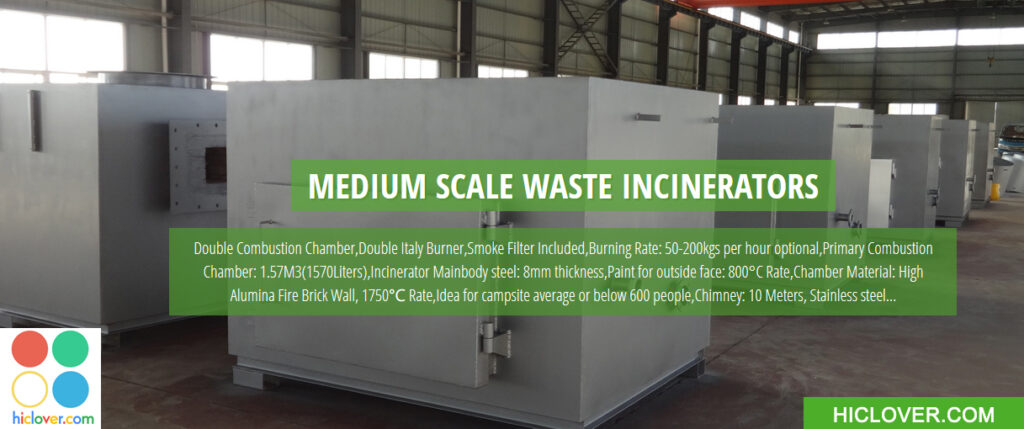
Germany is a country known for its commitment to environmental sustainability, and one area where it has made significant progress is in waste management. The country has been a pioneer in implementing innovative technologies to effectively and sustainably manage its waste, including the use of incinerators.
Incinerators, also known as waste-to-energy plants, are facilities that burn waste to produce energy. In Germany, these incinerators have become an integral part of the country’s waste management system, helping to reduce the amount of waste sent to landfills while also generating electricity and heat.
One of the key innovations in Germany’s incinerator technology is the use of advanced air pollution control systems. These systems are designed to capture and control emissions, including harmful pollutants such as dioxins, furans, and heavy metals, which are produced during the incineration process. This ensures that the incinerators operate within strict environmental regulations and do not pose a threat to public health or the environment.
Another important aspect of Germany’s incinerator technology is the efficient recovery of energy from the waste. The heat produced during the incineration process is used to generate steam, which in turn drives turbines to produce electricity. This electricity is then fed into the grid, providing a renewable and sustainable source of energy for the country.
Furthermore, the ash that is left behind after the incineration process is carefully treated and safely disposed of. In some cases, the ash is reused for purposes such as road construction, while in other cases it is securely landfilled according to strict regulations.
Germany’s commitment to sustainable waste management has also led to the development of advanced waste sorting and recycling facilities. Prior to incineration, waste is carefully sorted to extract recyclable materials such as paper, glass, and metals, which are then sent for recycling. This not only reduces the amount of waste sent to the incinerators but also helps to conserve valuable resources and reduce the environmental impact of waste disposal.
In addition to these technological advancements, Germany has also implemented policies to encourage waste reduction and recycling at the source. This includes initiatives such as extended producer responsibility, which holds manufacturers responsible for the disposal and recycling of their products, as well as financial incentives for companies and citizens to reduce waste and increase recycling.
Overall, Germany’s incinerators and waste management practices exemplify the country’s commitment to environmental sustainability and innovation. By utilizing advanced technologies, implementing rigorous environmental standards, and promoting waste reduction and recycling, Germany is able to effectively manage its waste while also generating renewable energy and conserving valuable resources. As the world grapples with the challenge of managing increasing amounts of waste, the German model of sustainable waste management serves as an inspiring example of how innovative technologies and proactive policies can contribute to a more sustainable future.