Meeting Environmental Regulations: How Incineration Facilities Can Reduce Emissions
The burning of waste in incineration facilities has long been a controversial topic due to its potential negative impact on the environment. However, with the right technology and practices, incineration facilities can effectively reduce emissions and meet environmental regulations. In this article, we will explore some of the methods that incineration facilities can utilize to reduce emissions and protect the environment.
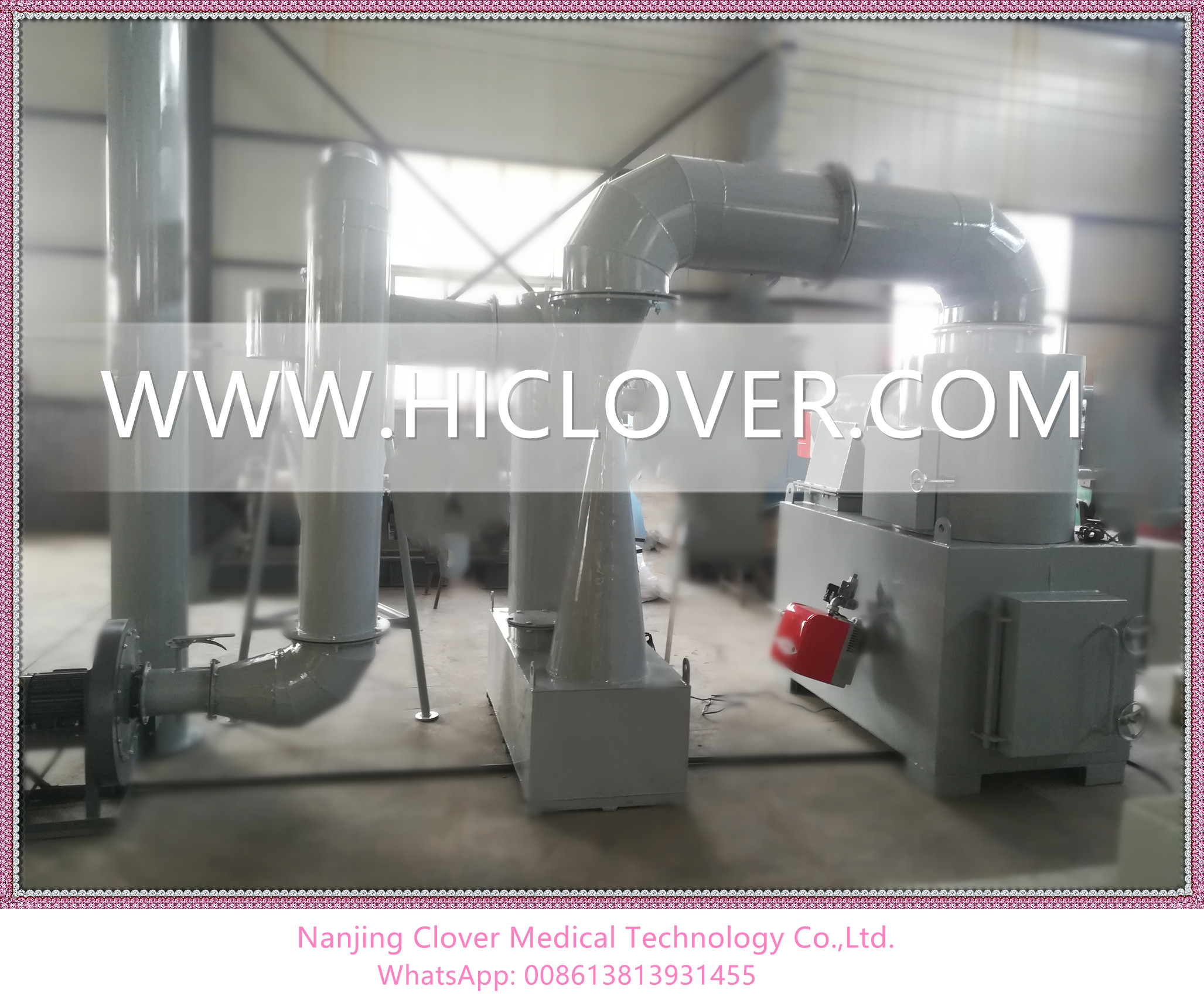
One of the most important factors in reducing emissions from incineration facilities is the use of advanced air pollution control technologies. These technologies, such as scrubbers, electrostatic precipitators, and baghouses, help to capture and remove harmful pollutants from the flue gas produced during the waste-burning process. By effectively controlling and capturing these pollutants, incineration facilities can significantly reduce the amount of harmful emissions released into the atmosphere.
Additionally, the use of modern combustion technologies can also help to reduce emissions from incineration facilities. Technologies such as fluidized bed combustion and gasification can produce a more efficient and cleaner burning process, resulting in lower emissions of harmful pollutants. By investing in and implementing these advanced combustion technologies, incineration facilities can significantly reduce their environmental impact and meet stringent emissions regulations.
Furthermore, the proper handling and disposal of ash generated from the incineration process is crucial in reducing environmental impact. Ash from incineration facilities can contain harmful pollutants and heavy metals, which can leach into the environment if not properly managed. By utilizing ash treatment technologies, such as stabilization and solidification processes, incineration facilities can ensure that the ash produced is safely and effectively disposed of, minimizing the potential for environmental contamination.
In addition to technology and process improvements, regular monitoring and maintenance of incineration facilities are essential for ensuring compliance with environmental regulations. By continuously monitoring emissions and conducting regular equipment maintenance, incineration facilities can proactively identify and address any potential sources of pollution, ensuring that emissions remain within acceptable limits.
Furthermore, incineration facilities can also reduce emissions by implementing waste-to-energy processes, where the heat generated from the incineration process is used to produce electricity or heat. This not only reduces the amount of waste that needs to be landfilled but also provides a sustainable energy source, further reducing the environmental impact of the facility.
In conclusion, incineration facilities have the potential to significantly reduce their emissions and meet environmental regulations through the utilization of advanced air pollution control technologies, modern combustion processes, proper ash handling and disposal, regular monitoring, and waste-to-energy processes. By employing these methods, incineration facilities can minimize their impact on the environment and contribute to a more sustainable waste management system. It is essential for incineration facilities to continually invest in and implement these practices to ensure that they are operating within the confines of environmental regulations and minimizing their environmental impact.