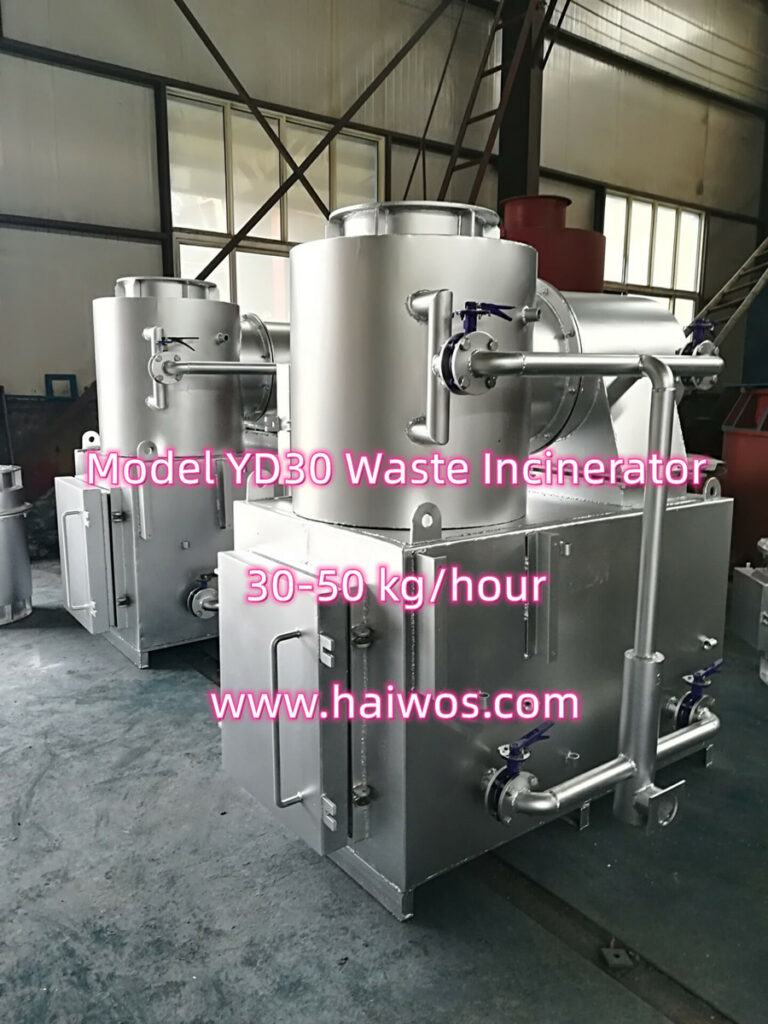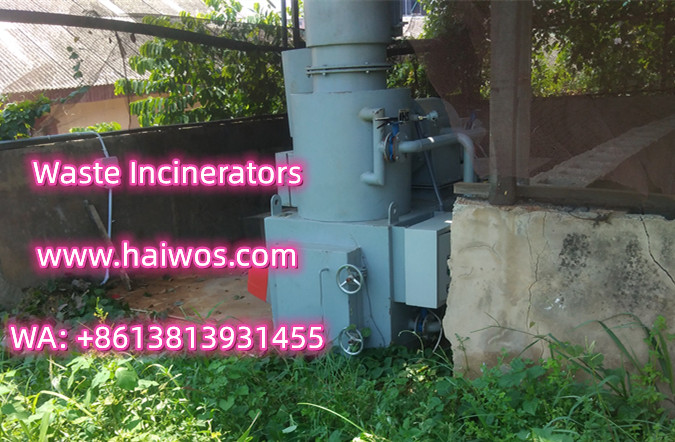
An incinerator is a type of waste disposal system designed to burn solid waste at high temperatures, reducing it to ash and gas. It is an effective and efficient method of waste disposal, especially for hazardous materials, medical waste, and other types of hard-to-manage waste.
Constructing an incinerator requires careful planning and adherence to safety regulations to ensure the proper operation and environmental protection. Here are the basics of constructing an incinerator for waste disposal:
1. Site selection and permits
The first step in constructing an incinerator is to select an appropriate site for the facility. This should be away from residential areas and sensitive environmental areas. It should also be in compliance with local zoning regulations and have easy access for waste collection and disposal.
Before construction begins, the necessary permits should be obtained from the local regulatory authorities. This may include environmental permits, building permits, and other approvals required by the local government.
2. Design and engineering
The next step is to design the incinerator and have it engineered by professionals with experience in waste management and incineration systems. The design should take into account the type and quantity of waste to be disposed of, as well as the required capacity and efficiency of the incinerator.
The engineering phase will also involve the selection of appropriate combustion technology, emission control systems, and other components necessary for safe and effective operation.
3. Construction and installation
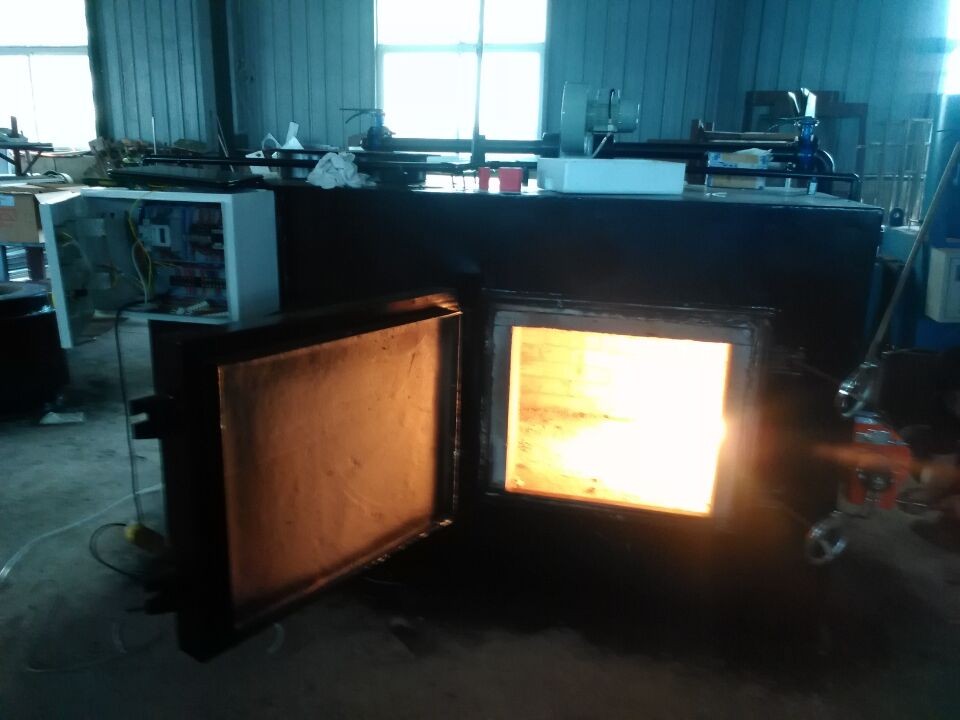
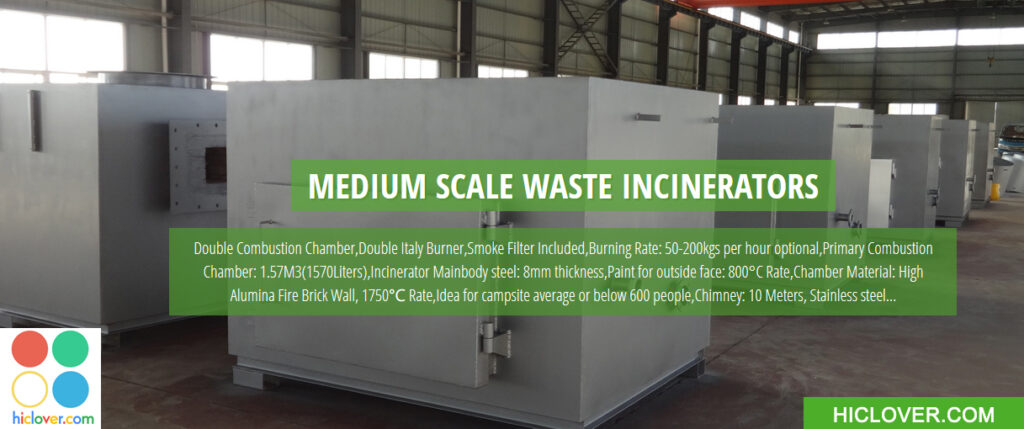
Once the design and engineering are completed, the construction of the incinerator can begin. This will involve the installation of the necessary structures, such as the combustion chamber, burners, and emission control equipment.
Special care should be taken during construction to ensure that the incinerator meets all safety and environmental standards, including fire safety, emission limits, and worker protection.
4. Testing and commissioning
After the incinerator is constructed, it should be thoroughly tested and commissioned before being put into operation. This will involve testing the combustion efficiency, emission levels, and overall performance of the incinerator under different operating conditions.
The testing phase is critical to ensure that the incinerator meets all regulatory requirements and is capable of safely and effectively disposing of waste.
5. Operation and maintenance
Once the incinerator is operational, it is important to establish a regular maintenance and monitoring program to ensure its continued safe and efficient operation. This will involve routine inspections, servicing of equipment, and monitoring of emissions.
Proper training for the operators and staff involved in the operation of the incinerator is also essential to ensure that all safety and environmental protocols are followed.
In conclusion, constructing an incinerator for waste disposal is a complex process that requires careful planning, engineering, and construction. When done properly, an incinerator can provide a safe and effective method of waste disposal for a variety of materials. However, it is important to always adhere to the local regulations and best practices to ensure the safety of the environment and the community.