Air pollution is a major concern for both public health and the environment. It has been associated with a wide range of health problems, including respiratory diseases, heart disease, and even cancer. In addition, air pollution contributes to climate change and damages ecosystems.
Incinerators are one of the sources of air pollution, releasing harmful substances such as dioxins, furans, mercury, and particulate matter into the air. In order to address this issue, incinerator air pollution control devices play a crucial role in reducing the emissions of these harmful pollutants.
One of the most common air pollution control devices used in incinerators is the electrostatic precipitator (ESP). ESPs are designed to remove particulate matter from the exhaust gases produced by the incinerator. The device works by charging the particles with an electrical charge and then collecting them on metal plates or tubes. This process effectively removes a significant portion of the particulate matter, reducing the amount of harmful particles released into the atmosphere.
Another important air pollution control device used in incinerators is the selective catalytic reduction (SCR) system. This technology uses a catalyst to convert harmful nitrogen oxides (NOx) into harmless nitrogen and water. The SCR system has been proven to be highly effective in reducing NOx emissions, which are a major contributor to smog and acid rain.
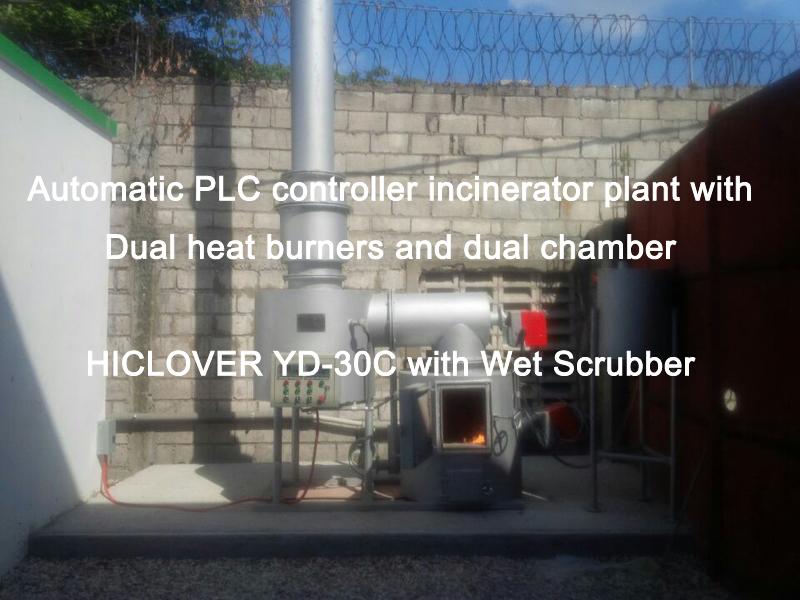
In addition to ESPs and SCR systems, incinerators also employ other air pollution control devices such as baghouses, which use fabric filters to capture particulate matter, and scrubbers, which use a liquid spray to remove harmful gases from the exhaust.
The implementation of these air pollution control devices has significantly reduced the harmful emissions from incinerators. In fact, modern incinerators equipped with state-of-the-art pollution control technology can greatly minimize their environmental impact. However, it is important to note that the efficiency of these devices largely depends on proper maintenance and operation.
The battle against air pollution requires a concerted effort from industries, governments, and individuals. While air pollution control devices are crucial in reducing emissions from incinerators, it is also essential for incinerator operators to comply with strict emission standards and regulations. In addition, public awareness and support for sustainable waste management practices, such as recycling and composting, are important factors in reducing the need for incineration in the first place.
In conclusion, incinerator air pollution control devices are essential tools in the fight against air pollution. By effectively capturing and eliminating harmful pollutants, these devices help to protect public health and the environment. However, it is important for all stakeholders to work together to ensure that incinerators are operated in a responsible and sustainable manner, further reducing their impact on air quality.