Medical waste is a significant concern in healthcare facilities around the world. The proper disposal of medical waste is paramount to public health and safety. Improper handling and disposal of medical waste can lead to the spread of diseases and infections, posing a threat to healthcare workers, patients, and the general public. One of the most effective and environmentally friendly methods of managing medical waste is through incineration.
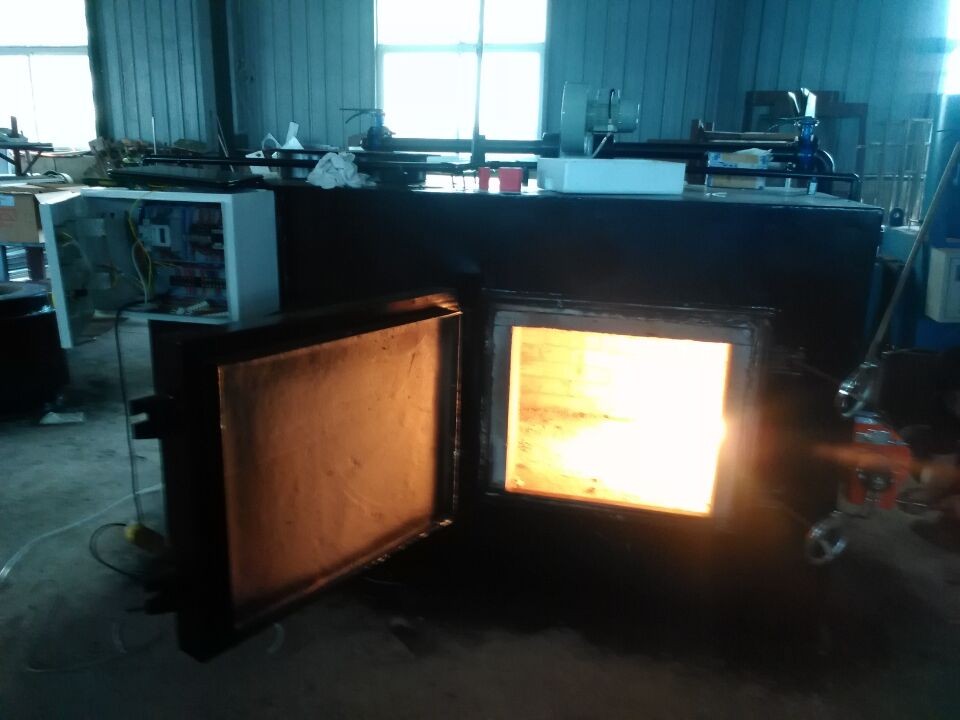
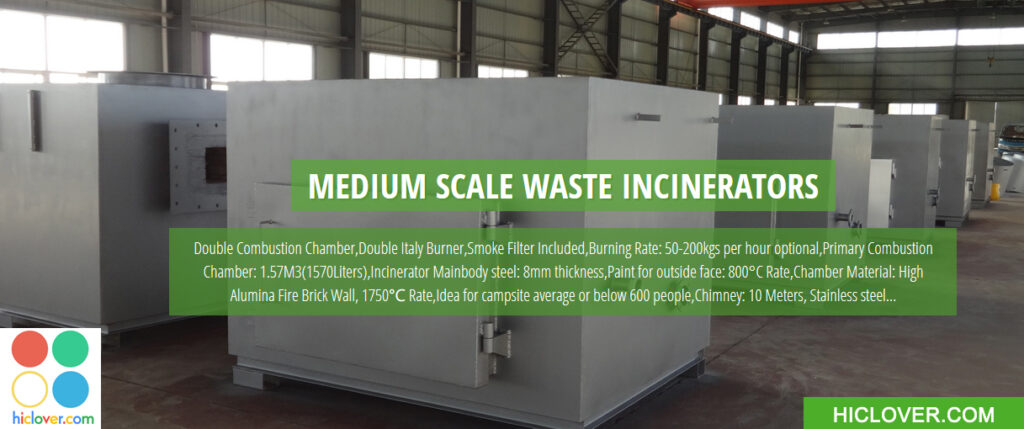
Medical waste incineration is a sustainable solution for the safe disposal of medical waste. Incineration is the controlled burning of healthcare waste at high temperatures to destroy pathogens and reduce the volume of waste. This method of disposal offers numerous benefits, making it a preferred choice for healthcare facilities.
One of the primary benefits of medical waste incineration is its ability to destroy pathogens and reduce the risk of infection. Medical waste, such as used needles, surgical instruments, and contaminated materials, can harbor harmful bacteria and viruses. Incineration at high temperatures effectively kills these pathogens, preventing the spread of diseases and infections.
Furthermore, incineration helps to reduce the volume of medical waste. The high temperatures used in the process break down organic materials and reduce the overall volume of waste. This not only saves space in landfills but also reduces the amount of waste that needs to be transported and stored, resulting in cost savings and environmental benefits.
In addition to the health and environmental benefits, medical waste incineration also helps to generate energy. The heat produced during the incineration process can be used to generate electricity, providing a sustainable and cost-effective energy source for healthcare facilities. This can help reduce the reliance on traditional energy sources and lower the carbon footprint of the facility.
Moreover, medical waste incineration offers a more reliable and consistent method of disposal compared to other options such as landfilling or autoclaving. Incineration facilities are tightly regulated and monitored to ensure compliance with strict environmental and safety standards, providing peace of mind for healthcare facilities and the surrounding communities.
It is important to note that modern medical waste incineration facilities are equipped with advanced pollution control technologies to minimize emissions and protect the environment. These technologies help to capture and treat any pollutants that may be released during the incineration process, ensuring that the air and water quality are not compromised.
In conclusion, medical waste incineration is a sustainable solution for the safe disposal of medical waste. It offers numerous benefits, including the destruction of pathogens, volume reduction, energy generation, and environmental protection. By investing in medical waste incineration, healthcare facilities can effectively manage their waste in a safe and responsible manner, contributing to the well-being of their staff, patients, and the environment.