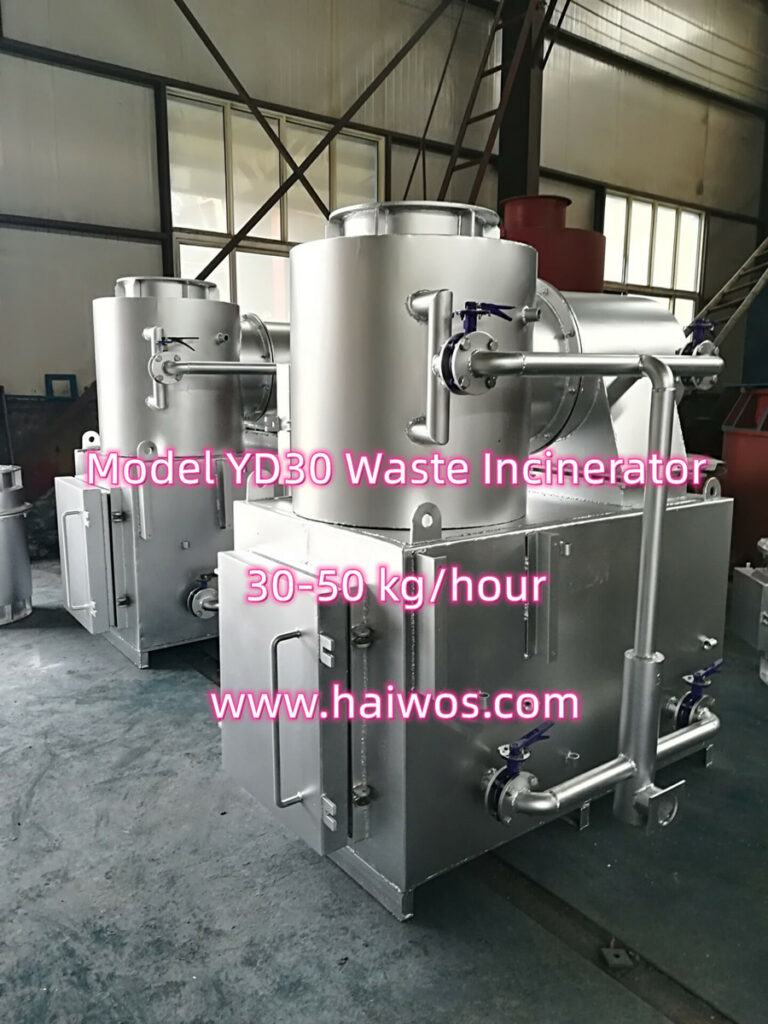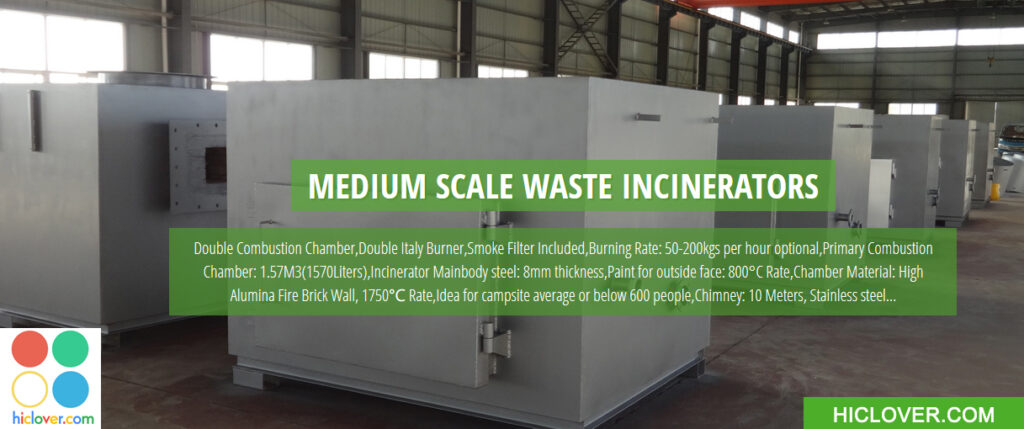
Incinerators are an essential part of waste management systems, especially in urban areas where landfills may not be an option. These facilities are designed to burn solid waste at high temperatures, reducing it to ash and other byproducts. Understanding how incinerators work is crucial to ensuring they are efficient and environmentally responsible.
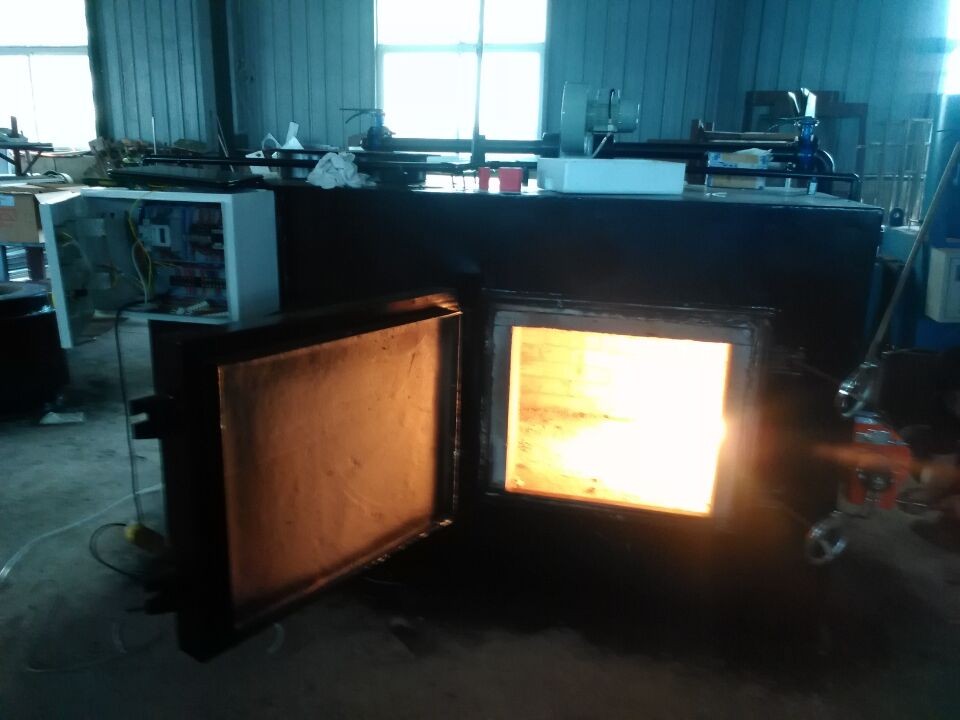
The process of incineration begins with the delivery of solid waste to the facility. This waste is typically sorted to remove any hazardous materials or recyclable items, leaving only non-recyclable and non-hazardous materials for incineration. Once the waste has been sorted, it is fed into the incinerator’s combustion chamber. Inside the combustion chamber, the waste is exposed to high temperatures, typically ranging from 800 to 1000 degrees Celsius. This intense heat causes the waste to burn and break down into ash, gases, and heat.
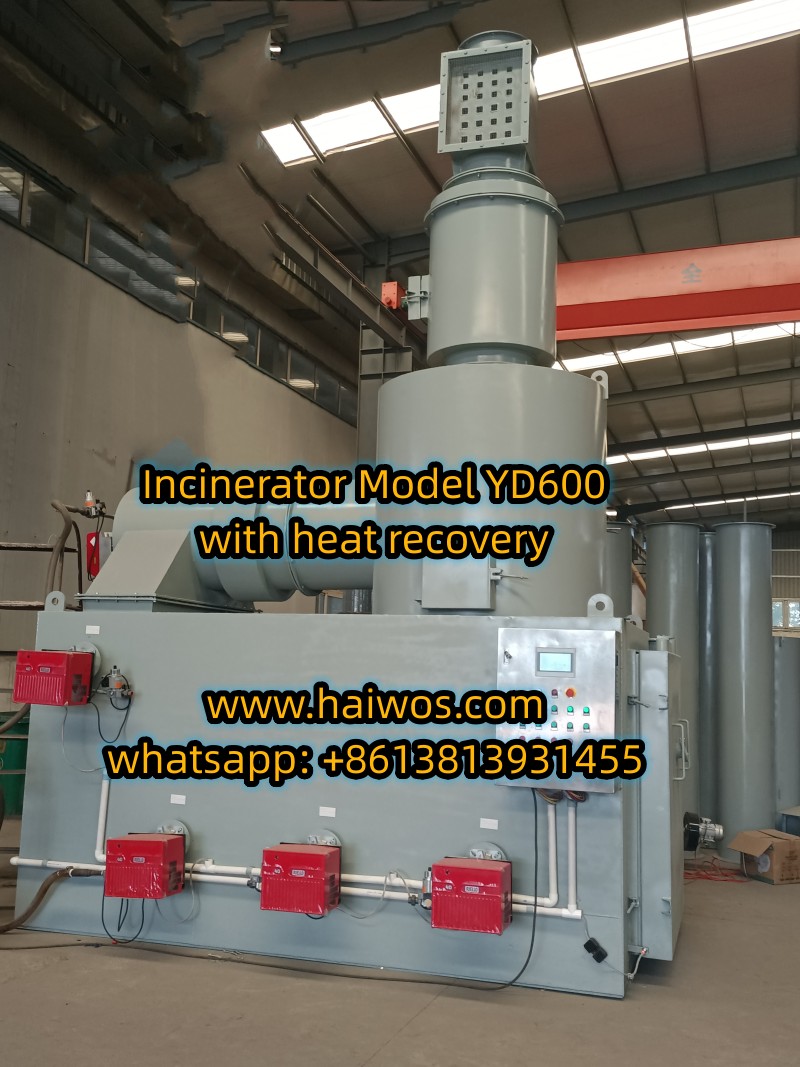
The byproducts of the incineration process are then managed and treated within the facility. The ash that remains after burning can be used as a construction material or disposed of in a landfill, depending on its composition and any potential environmental hazards. The gases produced during incineration, including carbon dioxide, water vapor, and other pollutants, are treated and filtered to remove harmful substances before being released into the atmosphere. Additionally, the heat generated during incineration can be harnessed to produce steam, which can then be used to generate electricity or heat nearby buildings.
Despite their efficiency in waste management, incinerators are not without their challenges. The high temperatures required for incineration can produce air pollutants, including particulate matter, nitrogen oxides, sulfur dioxide, and volatile organic compounds. To address these concerns, modern incinerators are equipped with advanced pollution control technologies, such as scrubbers and filters, to minimize the release of harmful emissions into the air. Additionally, strict regulations and monitoring are in place to ensure that incinerators operate within environmental safety standards.
In recent years, there has been an increasing focus on improving the efficiency and sustainability of incineration technologies. Research and development efforts are underway to develop incinerators that can produce less pollution and utilize waste heat more effectively. Additionally, there is growing interest in advanced waste-to-energy technologies, which aim to capture and convert the heat and gases produced during incineration into usable energy.
In conclusion, incinerators play a vital role in waste management by safely and efficiently reducing solid waste to ash and byproducts. Understanding the ins and outs of how incinerators work is crucial to ensuring that these facilities operate in an environmentally responsible manner. With ongoing developments in incineration technologies, there is potential for these facilities to become even more efficient and sustainable in the future.