Incinerators have long been used as a method for waste disposal, but recent innovations in technology have revolutionized the way these devices are used. From improved efficiency to reduced emissions, the latest advancements in incinerator technology are changing the way we think about waste management. In this article, we will explore the types and applications of the latest innovations in incinerator technology.
One of the most significant advancements in incinerator technology is the development of advanced air pollution control systems. These systems are designed to reduce the emissions of harmful pollutants, such as sulfur dioxide, nitrogen oxides, and particulate matter, from incinerator operations. This is achieved through the use of advanced filtration and scrubbing techniques, which capture and remove pollutants before they are released into the atmosphere. As a result, modern incinerators are able to operate with significantly reduced emissions, making them a more environmentally friendly option for waste disposal.
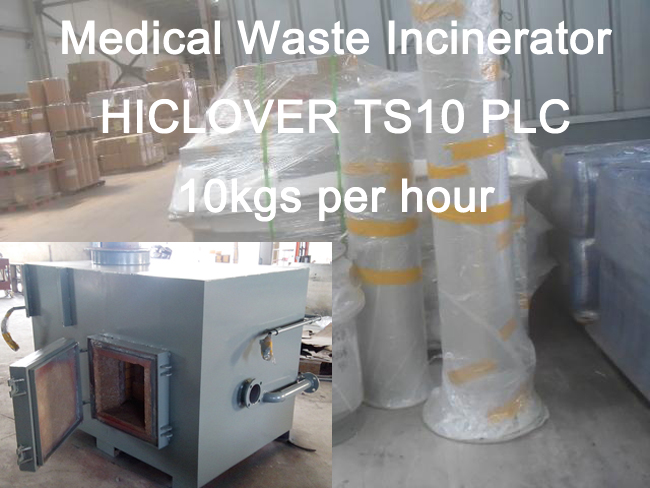
Another innovation in incinerator technology is the development of modular and mobile incinerators. These compact, self-contained units are designed for easy transportation and installation, making them ideal for use in remote or temporary locations. This allows for the efficient and environmentally responsible disposal of waste in areas where traditional waste management infrastructure may not be readily available. Additionally, modular and mobile incinerators can be used for the on-site disposal of specific types of waste, such as medical or hazardous materials, reducing the need for transportation to off-site disposal facilities.
In addition to advancements in pollution control and mobility, there have also been significant improvements in the overall efficiency of incinerator technology. Modern incinerators are designed to maximize energy recovery from the combustion process, capturing and utilizing the heat generated to produce steam, electricity, or hot water. This not only reduces the environmental impact of waste disposal but also provides a valuable source of renewable energy. In fact, some incinerators are able to generate enough electricity to power their own operations and even contribute energy back to the grid.
The latest innovations in incinerator technology have expanded the range of applications for these devices. While traditional incinerators have been primarily used for the disposal of municipal solid waste, modern incinerators can also be used for the treatment of medical and hazardous waste, as well as for the destruction of chemical and biological agents. This versatility makes incinerators a valuable tool for a wide range of industries and applications, providing a safe and effective means of waste disposal for materials that may be difficult to manage using traditional methods.
In conclusion, the latest innovations in incinerator technology are revolutionizing the way we think about waste management. From advanced pollution control systems to increased efficiency and expanded applications, modern incinerators represent a cleaner, more sustainable approach to waste disposal. As technology continues to advance, we can expect to see even more improvements in incinerator technology, further enhancing their environmental impact and versatility.