Hazardous waste is a major environmental concern that requires proper understanding and management in order to minimize its negative impact on human health and the environment. Hazardous waste refers to any material that poses a substantial threat to human health or the environment due to its chemical or physical properties. Some common examples of hazardous waste include pesticides, used oil, batteries, and paints, among others.
Understanding the different types and characteristics of hazardous waste is crucial to properly managing and disposing of them. It is important to recognize the potential dangers associated with these materials and to take the appropriate precautions when handling and storing them. Additionally, knowing how to properly dispose of hazardous waste is essential to prevent contamination of soil, water, and air, which could have detrimental effects on human and environmental health.
Examples of hazardous waste:
1. Pesticides: These are chemicals used to control pests in agriculture, including insecticides, herbicides, and fungicides. Pesticides are toxic and can cause harm to humans, animals, and the environment if not properly managed and disposed of.
2. Used oil: Used oil from machinery and vehicles can be hazardous due to its potential for containing harmful contaminants such as heavy metals and other toxic substances. Improper disposal of used oil can lead to soil and water pollution.
3. Batteries: Most types of batteries contain toxic heavy metals such as lead, cadmium, and mercury, which can leach into the environment if not disposed of properly.
4. Paints and solvents: These materials often contain volatile organic compounds (VOCs) and other hazardous chemicals that can pose health risks if not handled and disposed of with care.
Proper disposal of hazardous waste:
1. Reduce and reuse: The first step in managing hazardous waste is to minimize its generation. This can be achieved by using less hazardous alternatives and reusing materials whenever possible.
2. Segregation and storage: Hazardous waste should be segregated from non-hazardous materials and stored in appropriate containers that are labeled and sealed to prevent leaks and spills.
3. Recycling: Many types of hazardous waste, such as used oil and batteries, can be recycled to recover valuable materials and reduce the overall environmental impact.
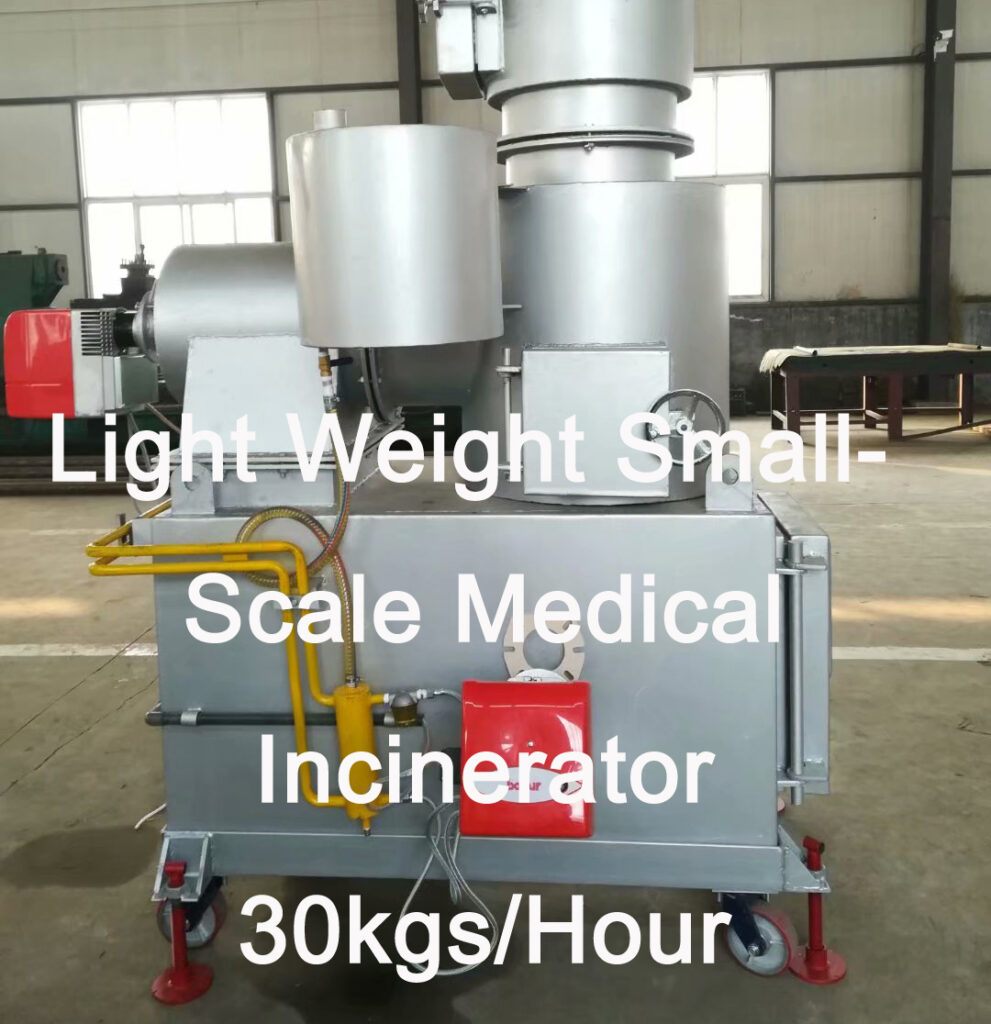
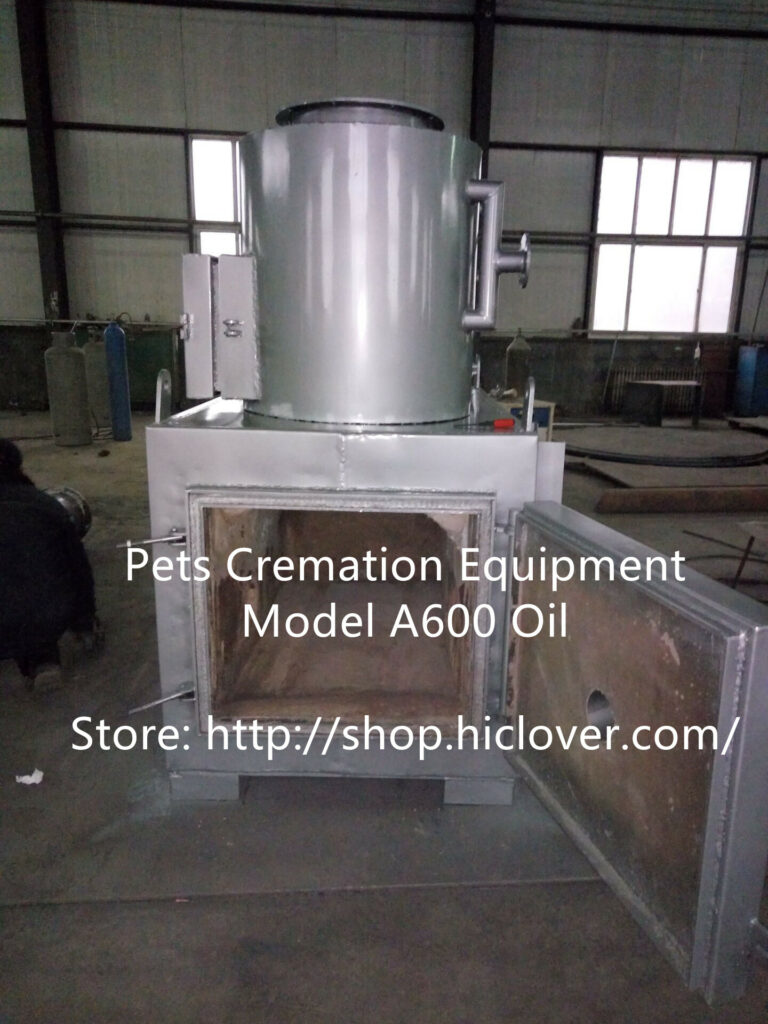
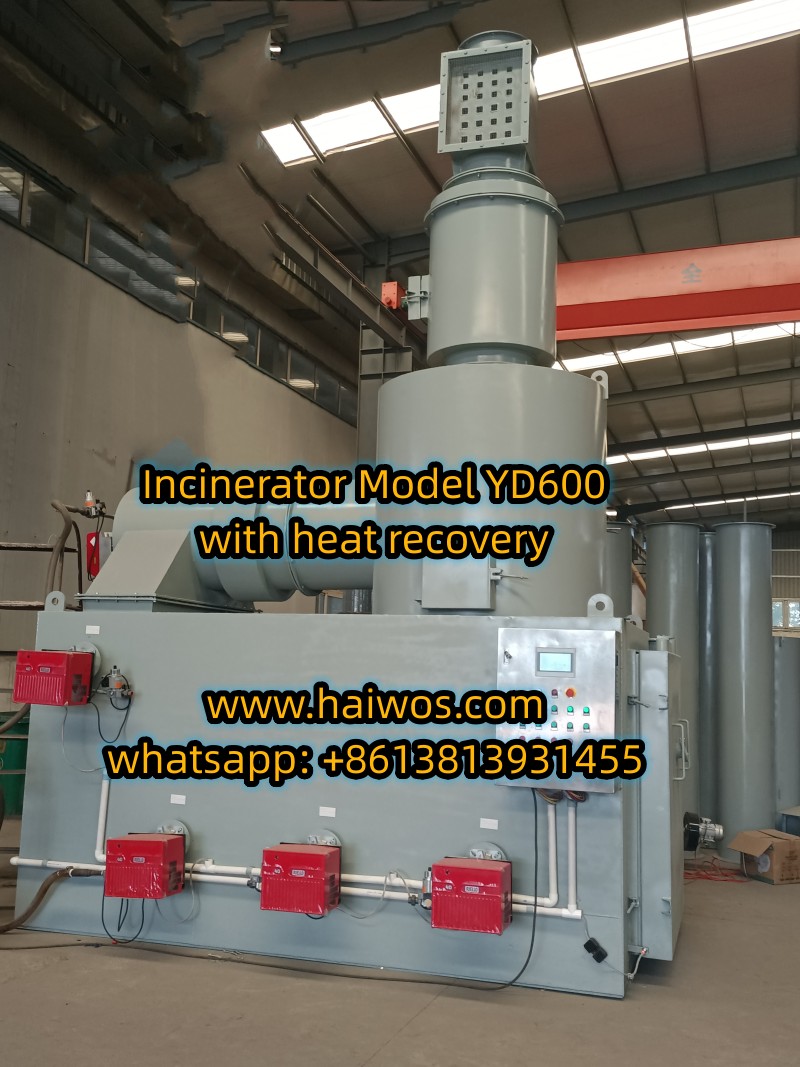
4. Treatment and disposal: When recycling is not feasible, hazardous waste must be properly treated and disposed of in accordance with local regulations. This may involve incineration, chemical stabilization, or other methods to render the waste less harmful.
5. Proper labeling and documentation: It is essential to clearly label all hazardous waste containers and keep detailed records of their handling and disposal to ensure regulatory compliance.
In conclusion, understanding the nature of hazardous waste and how to manage it responsibly is crucial for protecting human health and the environment. By recognizing the potential hazards associated with different types of waste and following proper disposal practices, we can minimize the negative impact of hazardous waste and build a more sustainable future.