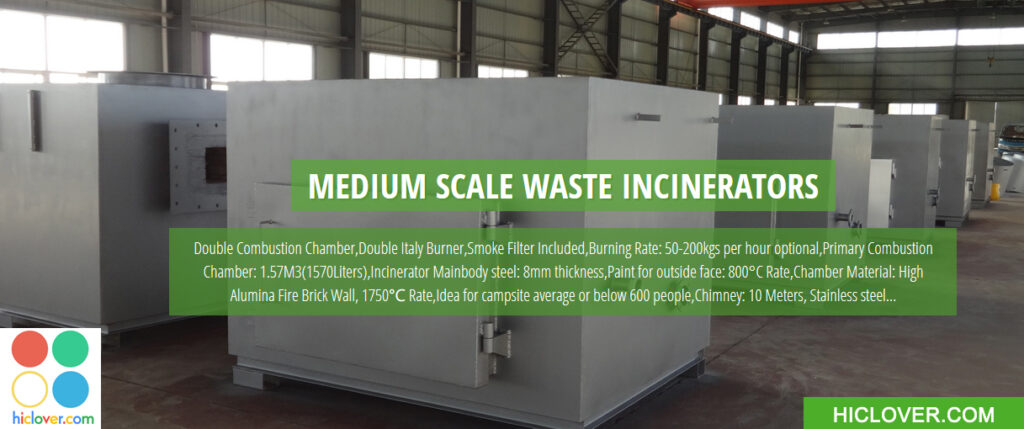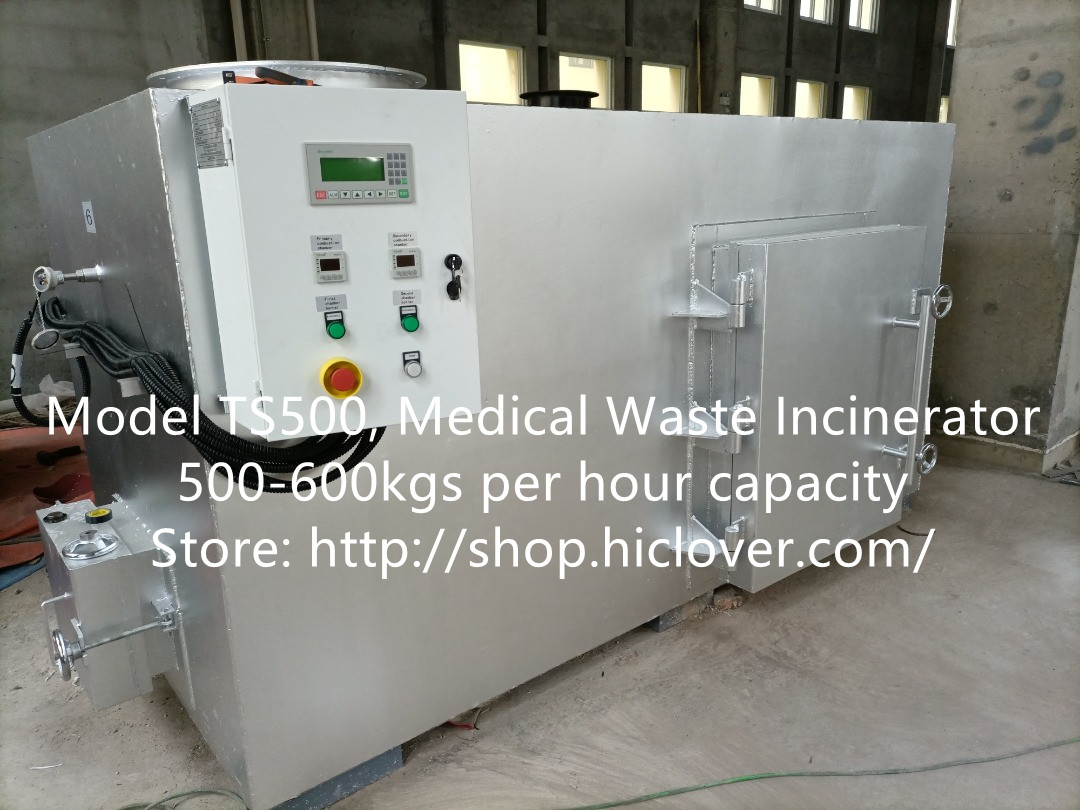
Incinerators are essential tools for managing waste and reducing the environmental impact of human activity. They are designed to burn and eliminate waste materials, including hazardous ones like medical and chemical waste. The combustion chamber is a critical component of an incinerator, responsible for the actual burning of the waste. Understanding its role and how it works can provide insight into the efficiency and environmental impact of these machines.
The combustion chamber is where the actual incineration process takes place. It is a specially designed chamber that is lined with refractory materials to withstand high temperatures. The waste materials are introduced into the chamber, where they are exposed to intense heat and oxygen. Combustion occurs as the waste is burned, breaking down organic materials into ash, gases, and heat.
Several factors play a crucial role in the efficient functioning of the combustion chamber. Temperature control is a vital aspect, as it directly affects the combustion process. The chamber must maintain high temperatures (typically between 800°C and 1200°C) to ensure complete combustion of the waste materials. This is essential for reducing emissions of harmful pollutants and for achieving efficient waste reduction.
The supply of oxygen to the combustion chamber is another critical factor. Sufficient oxygen is necessary to support the combustion process and ensure complete burning of waste materials. Inadequate oxygen can lead to incomplete combustion, resulting in the release of unburned hydrocarbons and other pollutants into the atmosphere.
Proper mixing and turbulence within the combustion chamber are also important for efficient combustion. This ensures that solid waste materials are exposed to the heat and oxygen uniformly, promoting thorough burning and reducing the production of harmful by-products.
The combustion process in the chamber releases heat energy, which can be recovered and used for various purposes. This heat can be utilized for generating steam, heating buildings, or producing electricity, contributing to the overall efficiency of the incinerator.
The role of the combustion chamber in incinerators is crucial for several reasons. Firstly, it is responsible for the complete destruction of waste materials, minimizing their volume and reducing the need for landfill space. Additionally, efficient combustion in the chamber helps in reducing emissions of pollutants such as carbon monoxide, dioxins, and furans, contributing to the protection of the environment and public health.
Understanding the importance of the combustion chamber in incinerators can help in designing and operating these waste management systems more effectively. Proper maintenance and monitoring of the chamber are essential to ensure the efficient and environmentally responsible operation of incinerators. With advances in technology and better understanding of combustion processes, incinerators can continue to play a significant role in waste management and pollution control.